
Hello! We are LUMOS, the automated expense management solution for government-funded R&D projects.
In our previous post, we discussed the "Feasibility" section of the business proposal. In this post, we will cover the next section: the "Growth Strategy."
3. Growth Strategy
3-1-1. Business Model
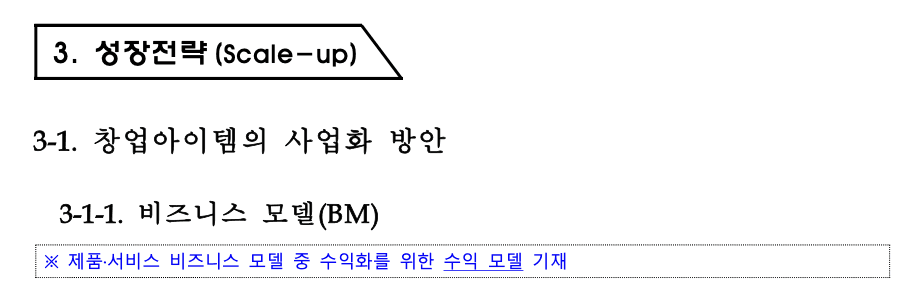
Revenue Model: Describe your revenue model type (e.g., subscription, transaction fee, brokerage fee) along with the associated benefits and costs. Provide justification for your pricing strategy.
3-1-2. Target Market Entry Strategy

Production and Launch: Specify when you plan to complete customer and market validation testing and enter the market.
Promotion and Marketing: Outline a tailored marketing strategy for your product, including social media marketing, webinars, and blog content creation.
Distribution and Sales: Detail how your distribution and sales channels will be structured (e.g., App Store distribution for software products).
Talent and Network: Detail your team's background, current expertise, and key advisors who can add strategic value to the business (e.g., Venture Capital Managing Partner - to assist with business direction and strategic advice).
3-2-1. Overall Business Roadmap

Objectives: Define your targets for commercializing your startup idea, including establishing commercialization and sales strategies to generate revenue.
Execution Schedule: Map out the execution timeline, including revenue projections to ensure profitability, mass-production plans, and sales schedules.
3-2-2. Milestones and Action Plans

Milestones Within the Agreement Period: Provide concrete milestones, referencing the deliverables outlined in the startup idea summary section.
Execution Schedule: Define the specific implementation schedule and tasks required to develop, produce, and sell the final deliverables based on the details in your startup idea summary.
3-3-1. Budget Allocation Plan
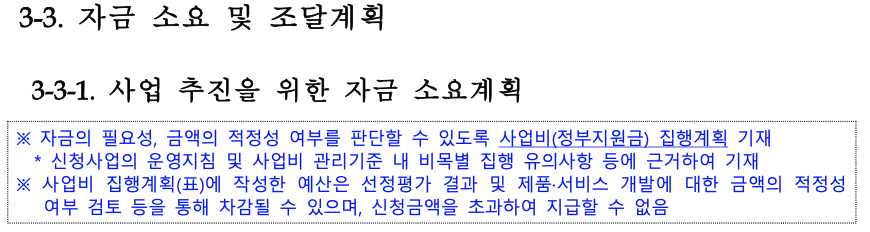
Expense Implementation Plan: Detail the allocation of government-funded support required to execute commercialization during the agreement period, fully justified by the business plan.
3-3-2. Additional Funding Plan

Funding Strategy: Outline concrete plans for self-funding or securing additional financing (e.g., angel investment, other government grants) beyond the funding provided through this program.
In this post, we explored the Growth Strategy. In our next and final post, we will cover Team Composition.
-
How to Write a Winning Business Proposal: Part 1 - Problem Identification (Link)
How to Write a Winning Business Proposal: Part 2 - Feasibility (Link)
How to Write a Winning Business Proposal: Part 3 - Growth Strategy (Link)


