
Hello! This is LUMOS, the automated financial management solution for government-funded projects.
In our previous post, we discussed the Problem Identification section of the business plan. Today, we will cover the next section: Feasibility.

2. Feasibility
2-1. Development Plan / Progress (Preparation) Status of the Startup Item
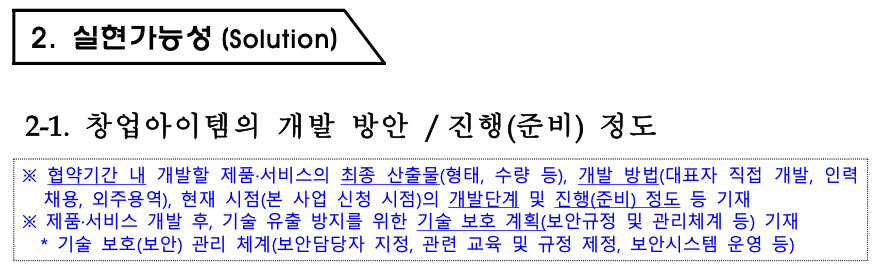
Development Method: Detail the precise personnel and outsourcing services required for development. (e.g., Hiring one Backend Developer to implement a specific server function.)
Development Phase & Progress: State the current phase, such as MVP or closed beta, along with the progress level of the final functions you plan to implement.
Final Deliverables within the Agreement Period: Instead of overpromising, specify that you will develop deliverables containing essential, core functions within the given timeframe.
Technology Protection Plan: Specify legal constraints and agreements among team members to prevent technology leaks.
2-2. Differentiation Strategy for the Startup Item

Comparison: Explain the difference in the pain point you aim to solve or your core competencies compared to competitors.
Securing Competitiveness Based on Existing Capabilities: Highlight the alignment with the target market or problem space utilizing the career history or domain expertise of the CEO and founders.
In the next post, we will cover the Growth Strategy section.
-
How to Write an Effective Business Plan Part 1 - Problem Identification (Link)
How to Write an Effective Business Plan Part 2 - Feasibility (Link)
How to Write an Effective Business Plan Part 3 - Growth Strategy (Link)


