
Hello!
This is LUMOS, the automation solution for government-funded R&D business expenses.
When most people think of government grants and subsidies, they often envision programs for preliminary startups, early-stage startups, and systems like TIPS. These programs largely support early stages of entrepreneurship, such as startups under three years old or those in the pre-launch phase. However, the government has also allocated significant funding and policy resources to discover and cultivate future unicorn companies. Today, we will look into one of these initiatives: the Baby Unicorn Project.
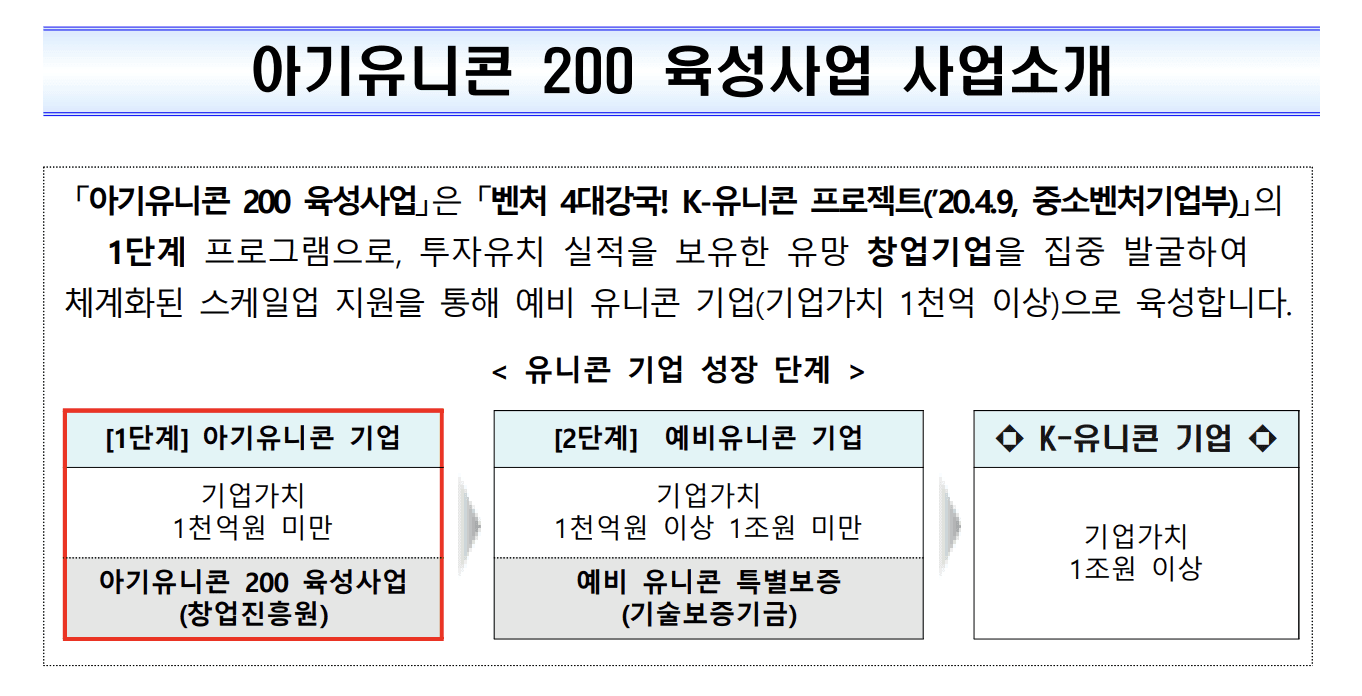
Launched in 2020, the Baby Unicorn Project is a government-funded initiative designed to quickly discover and foster up to 200 high-potential startups. Below is an excerpt from the promotional announcement introducing the Baby Unicorn Project.
In 2023, 299 companies applied, and 51 were selected, representing a competitive ratio of approximately 6:1.
Below, we will cover the project goals, support scale, eligibility, and application process.
1. Project Goal & Scale of Support
To identify "Baby Unicorn" companies with proven, innovative business models and high growth potential, and to cultivate them into "Pre-Unicorn" companies (with enterprise values exceeding 100 billion KRW) capable of competing globally.
Approximately 50 companies selected per cohort.
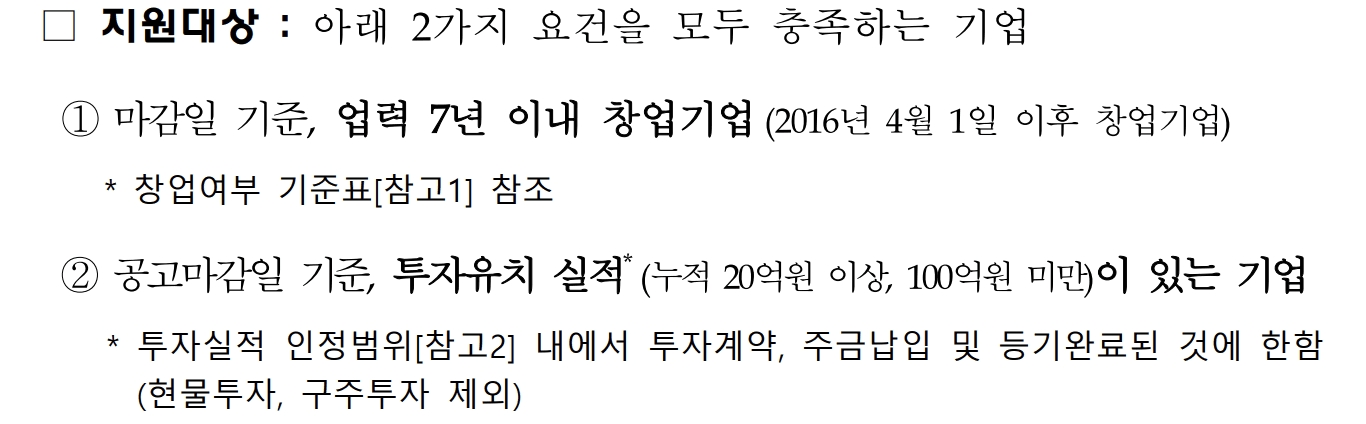
2. Eligibility Criteria
Startups within 7 years of incorporation.
Cumulative venture capital funding of at least 2 billion KRW and less than 10 billion KRW.
Both of the above conditions must be met to program eligibility.
3. Support and Benefits
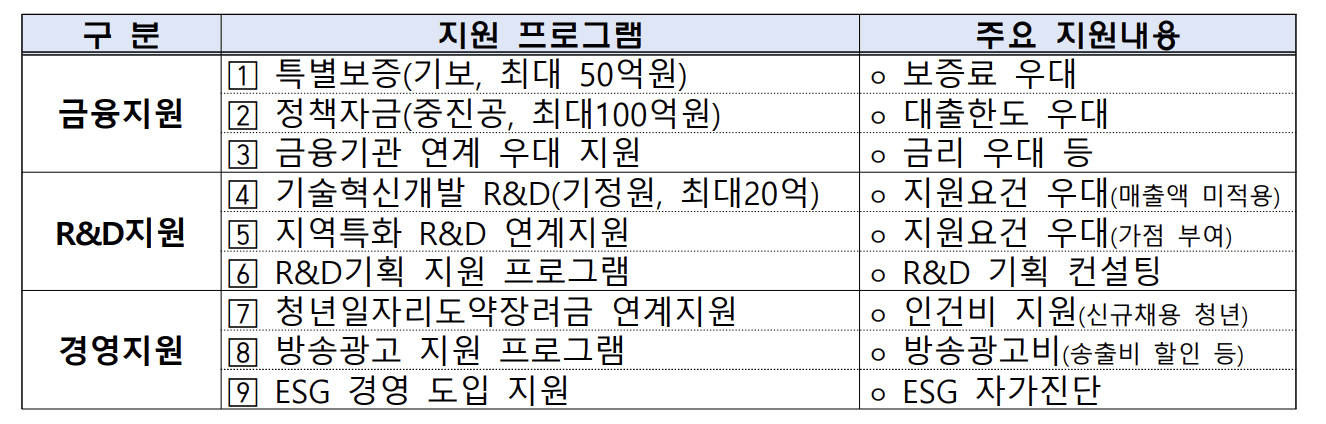
Market Expansion Fund: Up to 300 million KRW in government-funded market development capital for new market (domestic/overseas) research, analysis, and partnership development.
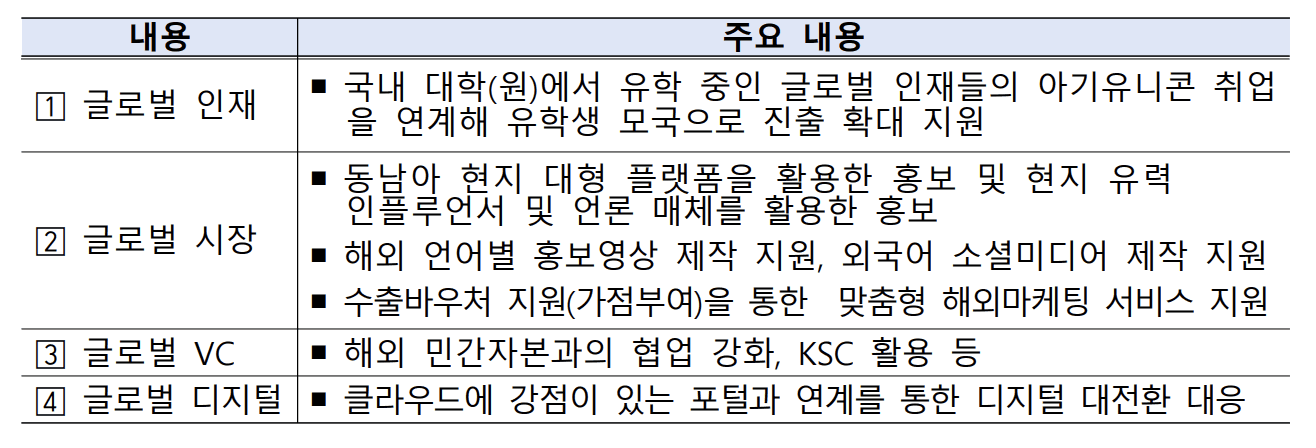
Global Expansion Support: Overseas market entry programs, VC and investor matchmaking, and regulatory sandbox support.
Financial Support: Special guarantees (up to 5 billion KRW via the Korea Technology Finance Corporation) and policy loans (up to 10 billion KRW via the Korea SMEs and Startups Agency).
R&D Funding: Technological innovation development grants (up to 2 billion KRW via the Korea Technology and Information Promotion Agency for SMEs).
Youth Employment Incentive: Personnel expense subsidies (for hiring new young talent).
As you can see, the direct financial support alone is substantial and highly beneficial for business growth. In addition, there are various linked programs supporting networking, marketing, and other functional areas. Please refer to the images below for a structured overview.
4. Required Documents & Application Process
Application Period: Typically opens around March (based on the 2023 schedule).
Application Method: Online submission via the K-Unicorn website (www.k-unicorn.or.kr).
Required Documents
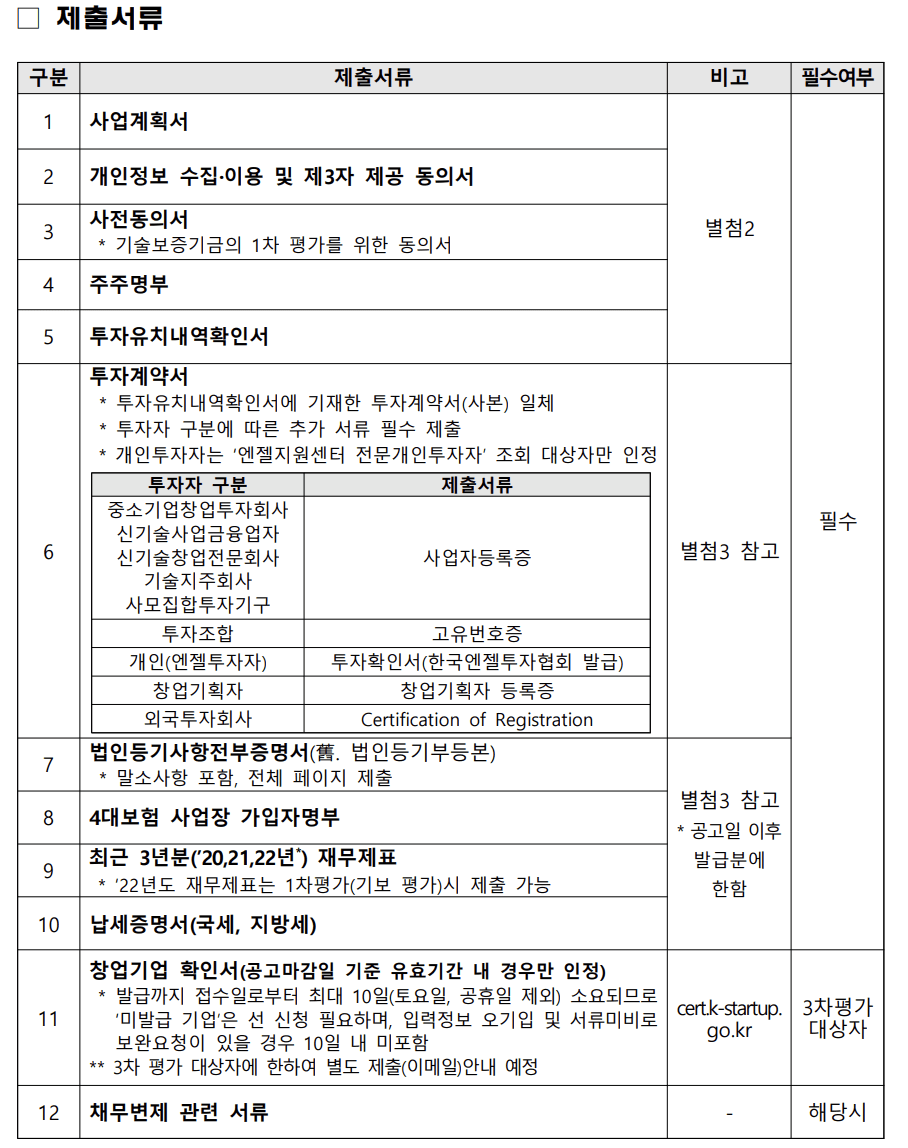
Today, we explored the Baby Unicorn Project in detail. As demonstrated, government support programs are not limited to early-stage startups; they also offer structured phases of growth to help companies scale into global unicorns. We encourage you to leverage these initiatives not only for raising capital but also to secure strategic support across multiple dimensions of your business.


